The Difference Between Heavy And Light Steel Fabrication

A steel component used in a massive industrial structure has very different demands from one designed for a lightweight enclosure or precision-made fitting. Heavy and light fabrication differ in material thickness, equipment requirements, production methods, and the applications they serve. These distinctions also influence cost, structural performance, and project planning.
This article compares both fabrication categories and explains where stainless metal fabrication fits into projects requiring corrosion resistance, precision, and lasting durability.
What heavy steel fabrication involves
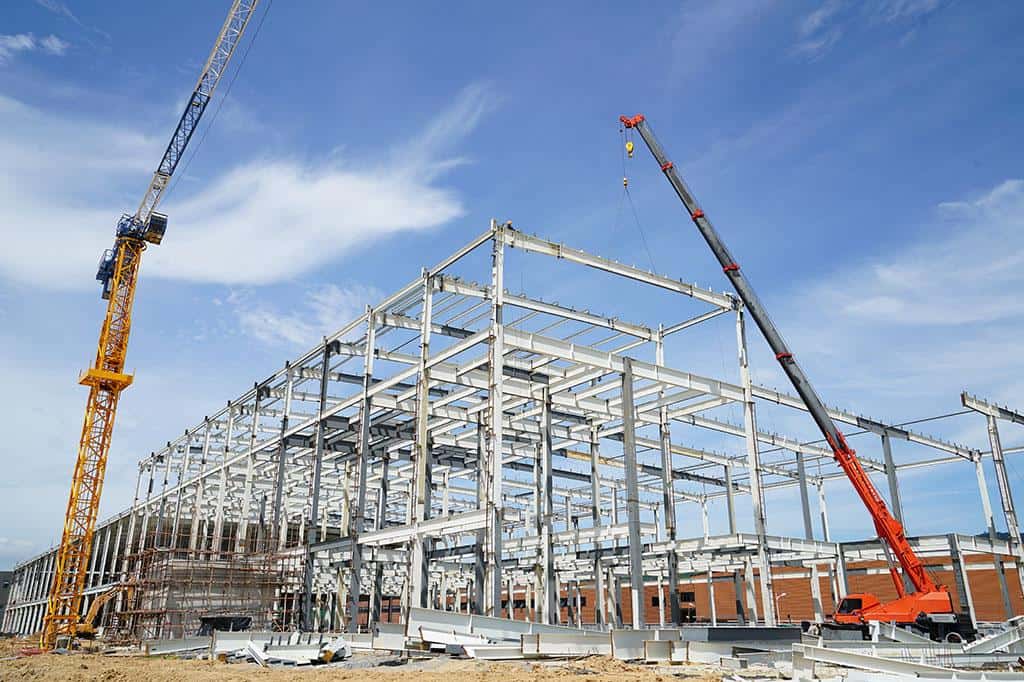
Heavy steel fabrication handles large, thick, and high-load components used in bridges, factories, warehouses, power plants, and industrial facilities. Fabricators work with substantial plates, beams, columns, and structural sections. Production requires powerful cutting machines, large welding systems, heavy lifting equipment, and spacious workshops.
Teams follow detailed engineering drawings and inspect dimensions, weld strength, and connection points throughout production. Heavy components also require specialized transport and lifting arrangements before installation. High material volumes and demanding structural specifications usually increase project costs and production time.
What light steel fabrication covers
Light steel fabrication focuses on thinner sheets, smaller sections, and lower-weight components. Common products include cabinets, brackets, ductwork, display frames, railings, partitions, and decorative features. Fabricators use sheet cutting, bending, drilling, punching, and precision welding equipment.
Smaller components allow easier handling and suit projects with limited installation space. Design details, surface finish, and accurate dimensions remain important because minor errors can affect fit and appearance. Stainless steel also suits many light fabrication products because of its clean finish and corrosion resistance.
Differences in machinery and production
Heavy fabrication requires cranes, large presses, industrial welding machines, and cutting systems capable of processing thick metal. Light fabrication uses compact machinery, sheet metal tools, and equipment that supports fine adjustments.
Heavy work focuses on load capacity, structural integrity, and strong connections. Light work places greater emphasis on neat edges, precise bends, smooth finishes, and consistent dimensions. Both sectors require trained operators and suitable inspection procedures, but workshop layouts and equipment choices differ significantly.
Cost, time, and material choices
Material thickness, steel grade, labour hours, machine capacity, and transport expenses influence fabrication costs. Heavy projects usually involve higher material volumes and complex lifting requirements. Light projects may use less steel, although intricate designs and polished finishes still affect pricing.
Stainless steel grades also influence corrosion resistance, appearance, and budget. Buyers should compare detailed quotations that list material specifications, fabrication tasks, finishing work, inspection requirements, and delivery charges.

More Stories
Stretch Mark Removal Treatments Ranked From Gentle To Powerful
Stretch marks can look different from person to person, and so can the treatments used to improve their appearance....
How A Hollywood Smile Clinic Tailors Veneers And Crowns
Natural-looking results begin with choices that suit your teeth rather than copying another person’s smile. Veneers refine visible surfaces,...
How A Lactation Specialist Helps With Low Milk Supply
Breastfeeding offers babies valuable nourishment, but low milk supply sometimes leaves mothers worried about their child’s growth. Feeding difficulties, changes...
Smart Home Integration For High End Landscape Lighting
Lighting technology gives outdoor areas a polished appearance while adding useful control to everyday routines. Smart systems let homeowners...
How Custom Setup Boxes Support Fast Assembly
Efficient packaging helps businesses meet deadlines, manage orders, and maintain product quality. Complicated packaging processes slow down production and...
How GISEC Stand Builders Turn Complex Tech Into Eye-Catching Displays
Cybersecurity technology can include dense systems, technical features, and advanced solutions that challenge visitors at first glance. Leading exhibition...